The Bible is the Church's book
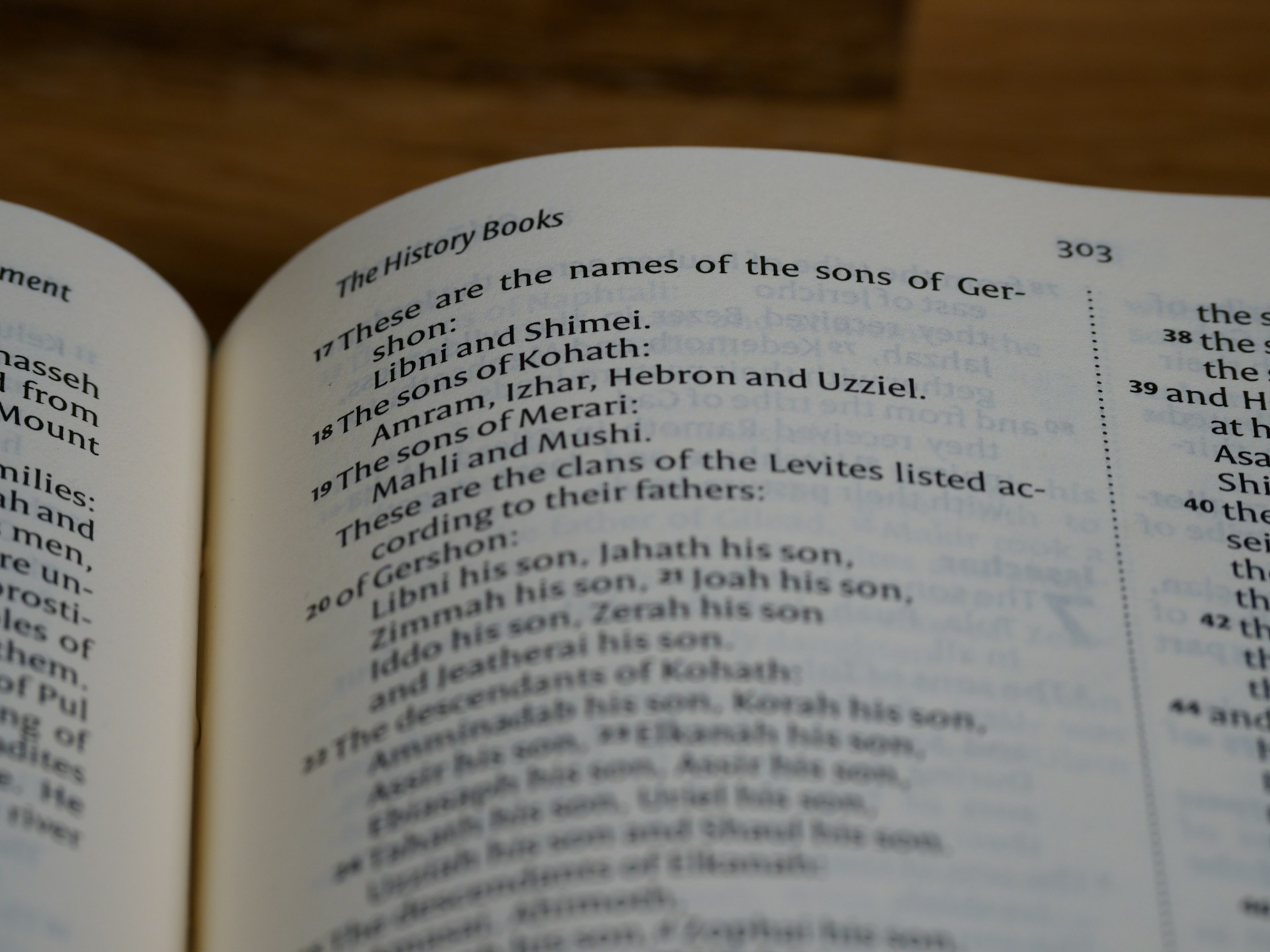
Catholics did not invent personal Bible reading and we never abandoned it. The Catholic canon of 73 books was settled by the bishops in the late 4th century, copied by hand by monks for a thousand years, and read aloud at every Mass since the Apostles. The Catechism is direct: "the Church 'forcefully and specifically exhorts all the Christian faithful... to learn the surpassing knowledge of Jesus Christ, by frequent reading of the divine Scriptures'" (CCC §133).
Bishop Davies returns again and again to John chapter 6 and to the Acts of the Apostles. John 6 is the long Eucharistic discourse: "I am the bread of life... unless you eat the flesh of the Son of Man and drink his blood, you have no life in you" (John 6:35, 53). Acts is the story of the early Church already doing what we do at Mass: "they devoted themselves to the apostles' teaching and fellowship, to the breaking of bread and the prayers" (Acts 2:42).
Start with the Mass
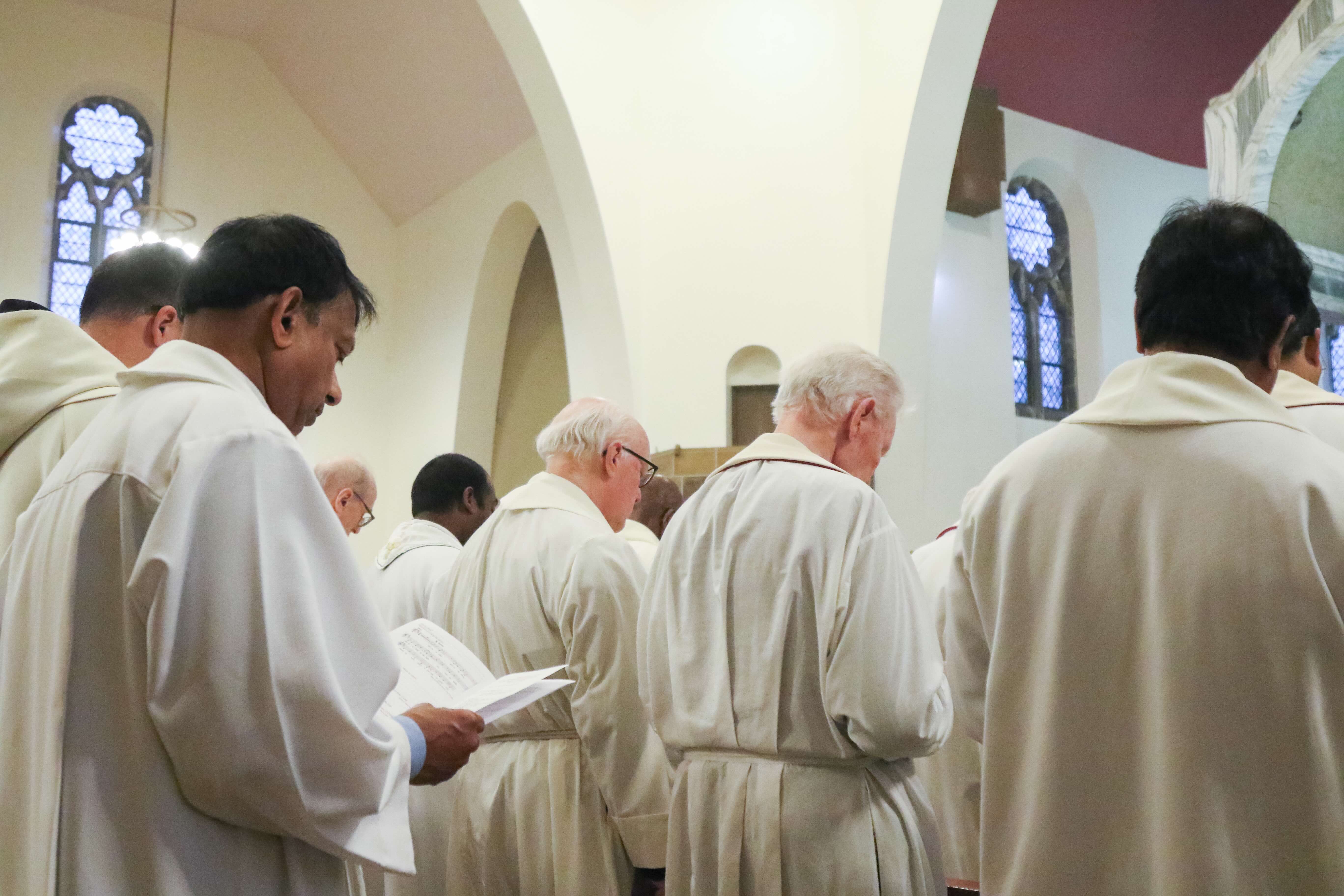
The single best way to begin reading the Bible as a Catholic is to follow the readings used at Mass. Sundays have a three-year cycle (Year A, B and C), each year leaning on one of the synoptic Gospels (Matthew, Mark, Luke), with John woven through every year. Weekdays have a two-year cycle (Year I and II). Across three years, you hear most of the Bible from the lectern.
If you go to Sunday Mass at Shrewsbury Cathedral at 8.30 am, 11.00 am or 6.00 pm, that is your starting point. Read the readings beforehand. Sit with one phrase afterwards. Over the year you will have walked through Genesis, the Prophets, the Psalms, the Gospels and the Letters with the rest of the Church.
The four senses of scripture
The Fathers of the Church taught that scripture has four senses, all real, all working together (CCC §115). Catholics still read this way:
- The literal sense: what the words actually say, what the writer meant, in the place and time the text was written.
- The allegorical sense: what the text shows us about Christ. The crossing of the Red Sea is also a figure of Baptism.
- The moral sense: how the text calls you to act now.
- The anagogical sense: where the text points us, towards the Heavenly Jerusalem and the life to come.
You do not need a doctorate to read this way. You need patience and the prayers of the Church.
Lectio divina, the old slow way
Lectio divina is the monastic way of reading scripture as prayer. It has four steps:
- Lectio (reading). Read a short passage slowly, twice.
- Meditatio (meditation). Sit with one word or phrase. Turn it over.
- Oratio (prayer). Speak to God about it. Thanks, sorrow, request.
- Contemplatio (contemplation). Be quiet. Let God look at you.
Ten minutes is enough. The point is not to finish a book. The point is to let one passage finish its work in you.
What to read first
If you have never read the Bible cover to cover, start here:
- The Gospel of Mark. Sixteen short chapters. The fastest, most urgent of the four Gospels.
- The Acts of the Apostles. Luke's continuation. The Church being born.
- The Psalms. The Church's prayer book. Pick five. Pray them through the week.
- Genesis chapters 1 to 12. Creation, the fall, Noah, the call of Abraham. The whole arc starts here.
- The Gospel of John. The deepest. Read after Mark, when you are ready.
For study, the Revised Standard Version Catholic Edition is the standard scholarly Catholic translation in English. The Jerusalem Bible is what is read at Mass in England and Wales.
The Universalis app
The single most useful tool is the Universalis app or website. It gives you the daily Mass readings, the Office of Readings (with patristic and saint commentary), Morning Prayer, Evening Prayer and Night Prayer for every day of the year, in proper liturgical English. Universalis lets a layperson pray the Liturgy of the Hours at home in the same words used by every priest, religious sister, deacon and bishop in the country.
Bishop Davies has called scripture and the Catechism, prayed alongside each other, the steady food of the discernment community at Stockport and the Cathedral. The same food is yours.
A next step this week
Tonight, before bed, download Universalis (free for the basics, paid for the full Office). Read tomorrow's Mass readings slowly, twice. Pick one phrase. Carry it with you. On Sunday, come to the 11.00 am Mass at the Cathedral, or to your local parish, and listen for it again. The Bible is not a private book and was never meant to be. It belongs to the Body of Christ. It belongs, now, to you.